

Resources you can trust
Solar & Green Energy
Learn about solar energy, going green—and why building smaller can be a big deal.
This page lives under our Links section for a reason: when you’re exploring solar and greener building choices, the hardest part is often separating solid information from sales hype. We put this resource together as a starting point for anyone who wants to understand the basics, ask better questions, and make choices that fit their goals and budget.
You don’t have to decide everything today. You can start by learning what “going green” really means, what’s changed in the market, and how solar incentives can affect the numbers.
Going Green?
“Green” used to sound like an alternative path. Now it’s becoming mainstream—and it’s still getting greener.
A great snapshot of this shift comes from research conducted by Dodge Data & Analytics, in partnership with the National Association of Home Builders (NAHB). In 2015, nearly one third of home builders (31%) reported they were already doing green builds for more than 60% of their projects, and over half (51%) expected to be doing that level of green building work by 2020. The same research found that over 80% of builders expected that by 2020 more than 16% of the homes they build would be green housing. On top of new builds, green remodeling has also continued to grow.
That momentum matters for homeowners because expanding green home markets generally mean more options—more ways to improve comfort, lower energy costs, and reduce environmental impact without feeling like you’re choosing between “normal” and “eco.”
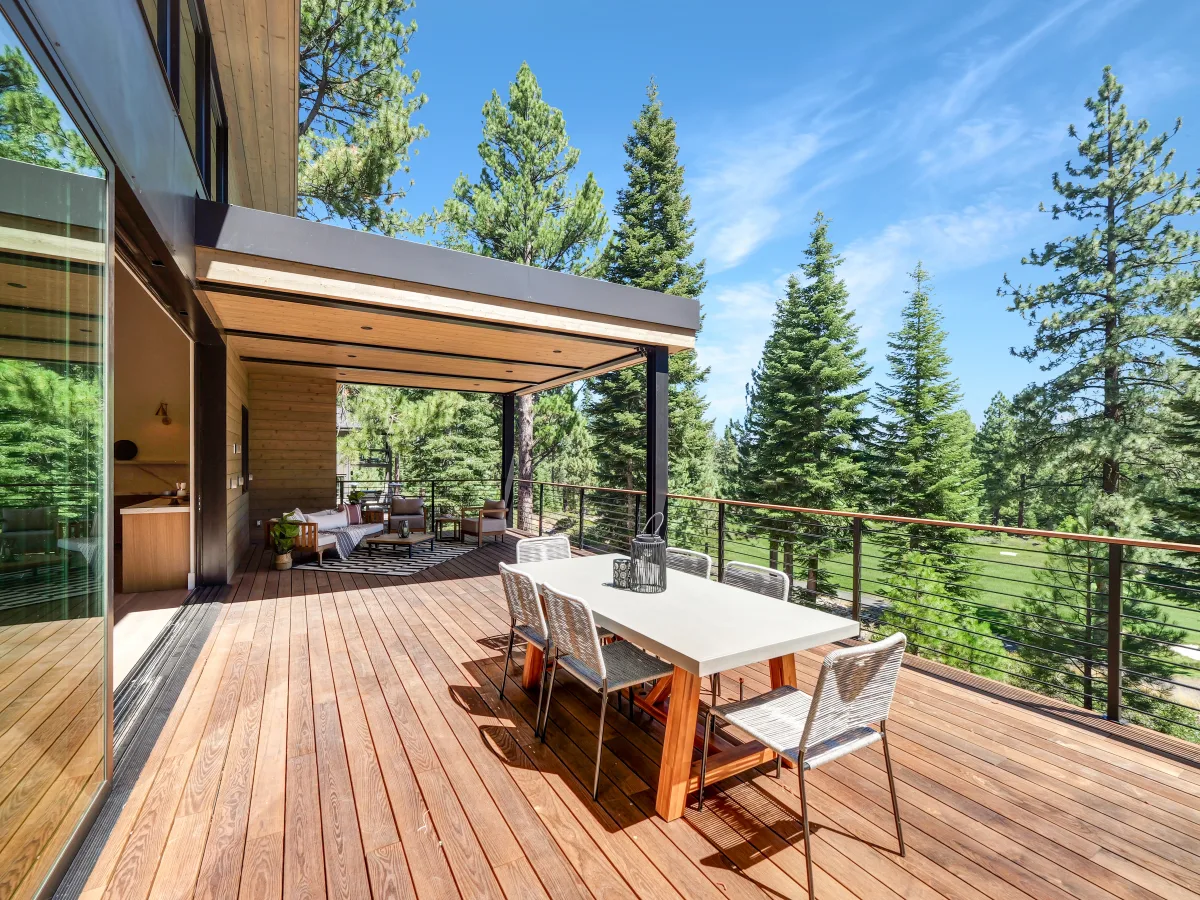
Green home goals: from “a few upgrades” to Net Zero
Here’s what we want you to know as you explore: building a greener home doesn’t require you to meet the strictest checklist or to go all the way to Net Zero Energy (a home so efficient it produces more energy than it uses).
For some people, the goal is a net zero home or a certified green home. For others, it’s simply adding a few green home elements—then continuing to improve efficiency over time. Either approach can be smart.
The best plan is the one you’ll actually follow: make choices that work in your budget today, while setting your home up to be greener tomorrow.
Costs are shifting (in a good direction)
One of the biggest reasons green building has accelerated: technology and product access have improved, and reported cost premiums have come down.
According to the same Dodge/NAHB research, builders reported the cost differential to go green was 10%, compared with 11% in 2006—even as more green elements were being incorporated. Dropping costs in green technology have also helped make green housing a more popular investment and accessible to more homeowners. Many green products and technologies can now be purchased right at a local hardware store, and even large national homebuilders have begun offering green options.
In other words: the gap between “standard” and “green” is narrowing, and the menu of realistic choices keeps growing.
Solar incentives in Nevada (NV Energy)
If you’re looking at solar, incentives and credits can play a real role in your decision-making.
NV Energy offers credits for adding solar systems to your home. You can review the current incentives directly through NV Energy here:
- https://www.nvenergy.com/save-with-powershift/renewable-energy/solar-energy
(Programs can change over time, so it’s always worth confirming the latest details on the official source.)
Build smaller: the underrated “green” strategy
If you’re learning about solar and sustainability, don’t overlook a simple idea that can make everything easier:
Going green? Build smaller.
A smaller home can mean less to heat, cool, and power—and it can make each efficiency upgrade (and every solar panel) go further. Even if you love the idea of advanced technology, the most sustainable square foot is the one you never build.
Want to keep learning—or talk through options?
This page is meant to give you a clean runway into solar and green building concepts. If you’re gathering information for a future project, we’re happy to point you toward the right next questions.
When you’re ready, head over to our Contact page and tell us what you’re curious about—solar, green home elements, remodeling with efficiency in mind, or simply how to start thinking about “going green” without getting overwhelmed.